A mysterious animal is mentioned in Middle Ages Spain and Portugal, the Zebro. The Zebra is named after the Zebro. You can also find the word in the names of places and geographical features. It seems to have been widespread.
The Zebro—also called Cebro, Enzebro, or Zevro, was a wild equid (relative of the horse) that survived in Spain and Portugal into the late Middle Ages or early modern period. It was once widespread across much of Iberia before disappearing by the 16th century (see map below).
It has vanished so thoroughly that we are still unsure exactly which animal it was. No medieval portrait of the Zebro seems to survive. No bones have been found.

By Plotting by: Robert Jones. Topography by: User:Rowanwindwhistler. – Own work, CC BY-SA 4.0, commons.wikimedia.org/w/index.php?curid=170485692
The Zebro’s shrinking range across centuries can be approximated with historical sources, according to Carlos Nores:
Blue- 12th century and earlier toponym data.
Green-13th century
Brown- 14th century dated reports
Red – 16th century final reports from Albacete
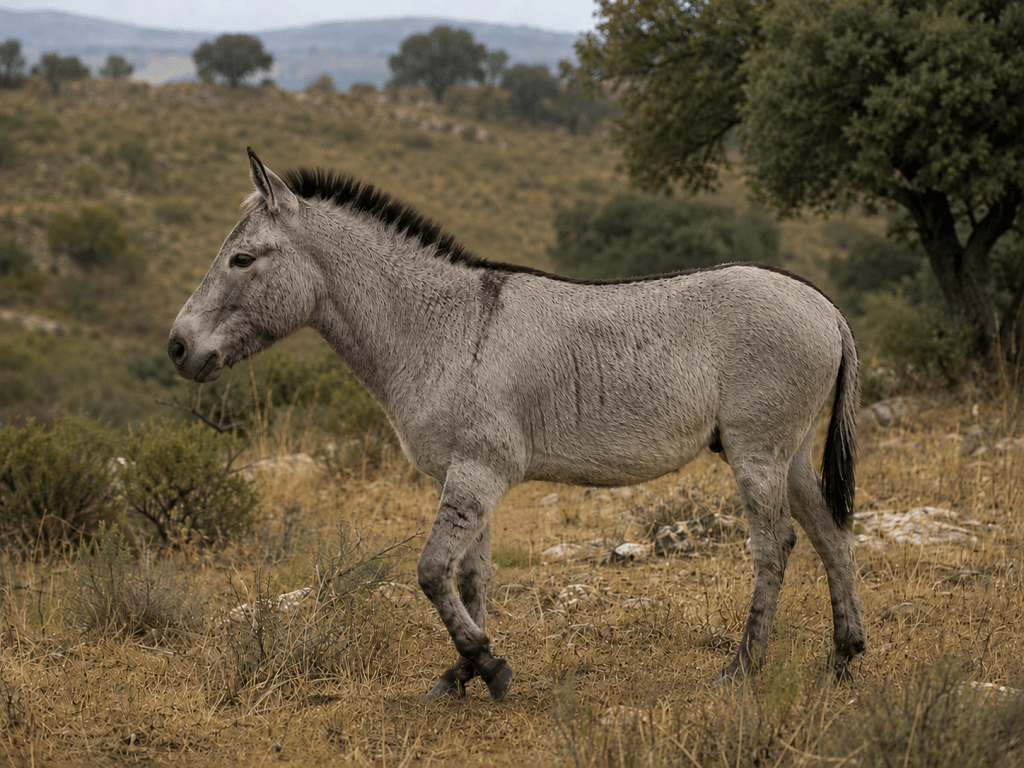
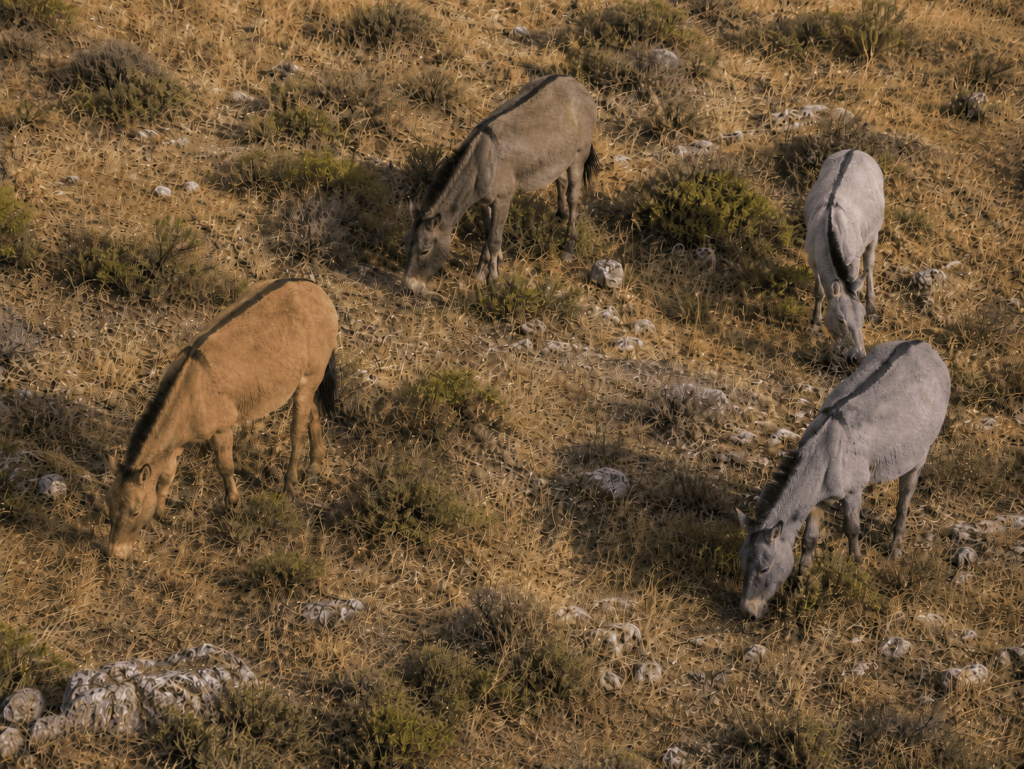
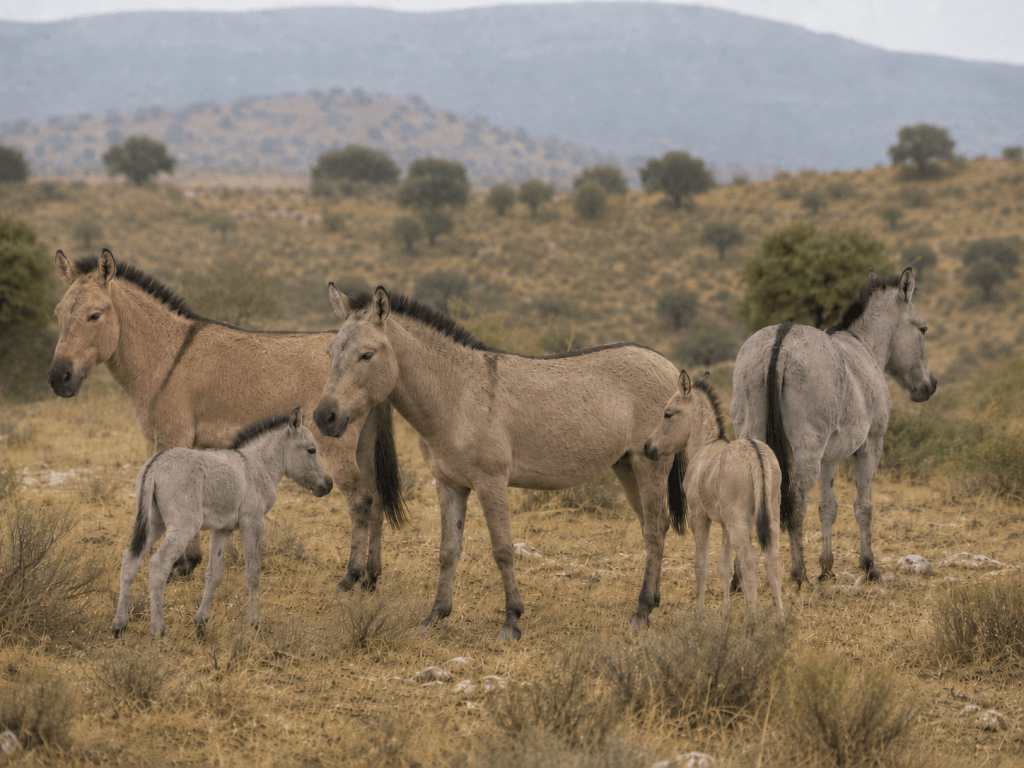
During my travels in medieval Iberia, I was fortunate enough to see few Zebros:
the inactivist
the inactivist
What was the Zebro?
It was described as a wild animal, untamable and fierce, but good eating, like a horse but smaller than a domestic horse, ash-grey to light brown, with a dark muzzle and a dark dorsal stripe down the back similar to the Sorraia breed.
The main candidates are:
-A surviving Iberian wild horse population:

By Selona (talk) 21:18, 21 December 2008 (UTC) – Own work Public Domain,/commons.wikimedia.org/w/index.php?curid=5687685
Ancient wild horses, as painted in prehistoric caves, resembled the zebro, as does the primitive Iberian Sorraia horse that has survived into modern times. So it could also be a feral population of Sorraia-like horses.

By Selona – Own work, CC BY 3.0, commons.wikimedia.org/w/index.php?curid=5372309

2- The Zebro could have been an Onager-like wild ass; a late-surviving relative of the extinct European Wild Ass, Equus hydruntinus, the Hydruntine. This is the solution now preferred by most scientists until new data comes to light.


By C. Smeenk – Groves C. P. & Smeenk C. (June 2007). “The nomenclature of the African wild ass”. Zoologische Mededelingen 81(1). HTML, figure 7, CC BY 3.0, /commons.wikimedia.org/w/index.php?curid=9845315

