The land of Bir Tawil is the wrong half of a border dispute.
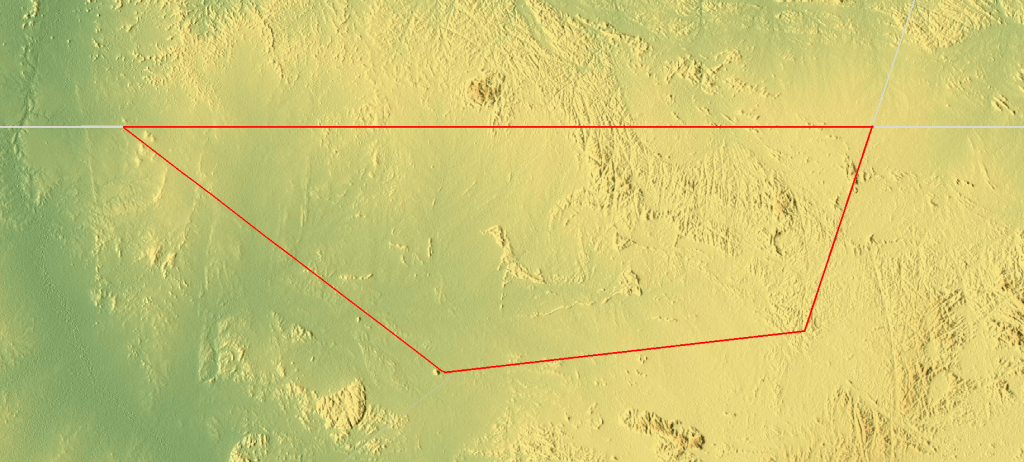
The oddity comes from two different border lines:
- 1899 border: a straight line along the 22nd parallel.
- 1902 administrative border: a later British administrative adjustment that zigzags in places.
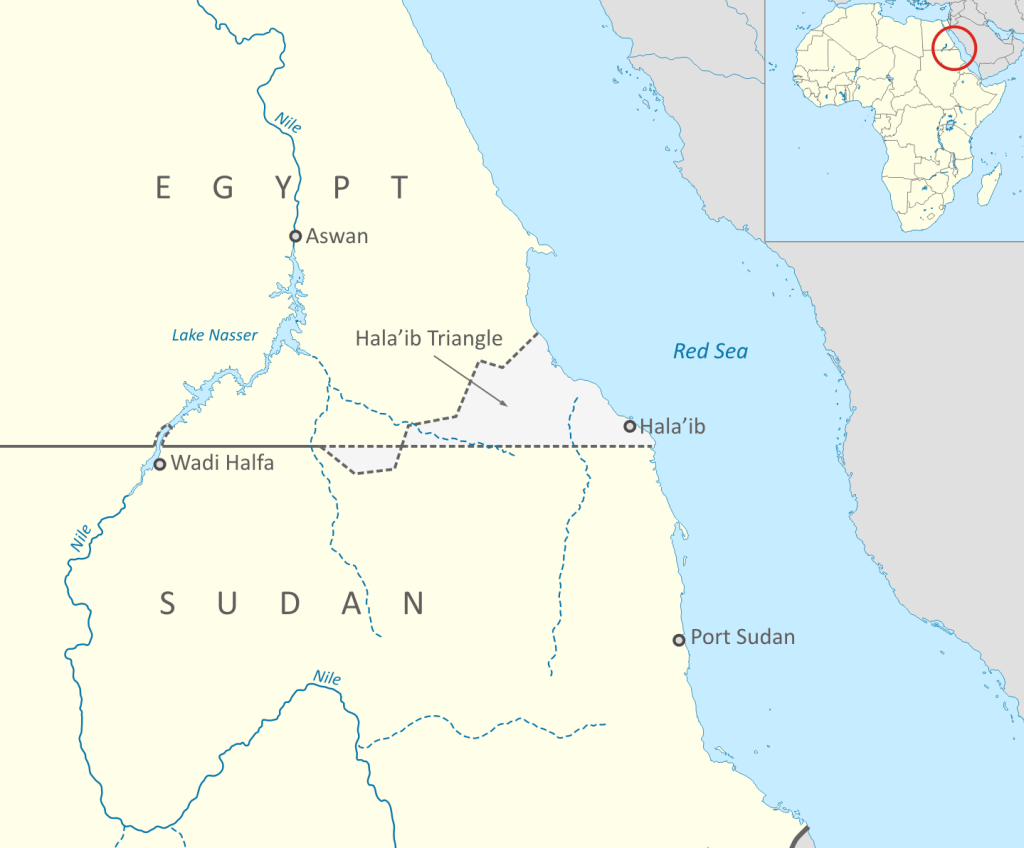
The problem is that the nearby Hala’ib Triangle, on the Red Sea, is much more valuable than Bir Tawil.
Egypt recognizes the 1899 border, which gives Egypt Hala’ib but leaves Bir Tawil on the Sudanese side. Sudan recognizes the 1902 administrative border, which gives Sudan Hala’ib but leaves Bir Tawil on the Egyptian side.
So both countries claim Hala’ib, and neither claims Bir Tawil, because doing so would weaken its claim to Hala’ib. The valuable prize is not Bir Tawil but Hala’ib, with its access to the Red Sea.
Bir Tawil covers 2,060 km² (795 square miles), mostly barren desert.
It is often described as terra nullius: land claimed by no recognized state.
Its unusual status has attracted a myriad of micronations and would-be states, complete with flags, websites, constitutions, maps, titles of nobility, ministries, and “citizenship” forms.
A few examples:
Bir Tawil Government — “A European Peoples Nation protected by the Government.”
BirTawil — “Not just another #micronation – we are actual native Ababda people (re)claiming our homeland.”
Birland State (BirTawil)
Kingdom of Bir Tawil
Kingdom of the State of Bir Tawil
Communist Party of Bir-Tawil
Digital Emirate of Bir Tawil
BirTawil Republic Society — “Non-recognized sovereign land between Egypt & Sudan. Promoting peace, unity & development in the heart of Bir Tawil.”
Bir Tawil Empire
The New Bir Tawil — “We are a small team, our dream is to create this country by people’s hands! We want to be the end-road of Africa!”
Bir Tawil Project — “Gold-backed, solar-powered, blockchain-governed microstate.”
A few actually traveled to Bir Tawil to establish some legitimacy.
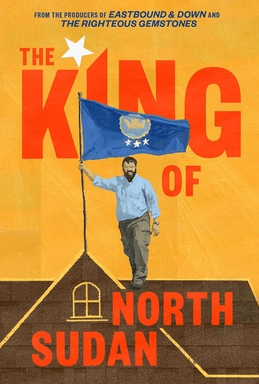
In June 2014, Jeremiah Heaton, from Virginia, traveled to Bir Tawil and declared the formation of the Kingdom of North Sudan. Heaton’s motives included making his daughter, Emily, a princess.
He later showed interest in founding the world’s first “crowdfunded nation,” offering titles of nobility and naming rights to contributors. A documentary based on Heaton’s story, The King of North Sudan, was later made, directed by Danny Abel.
By Danny Abel –
Russian DJ Dmitry Zhikharev also claimed Bir Tawil as the Kingdom of Middle Earth, inspired by J. R. R. Tolkien’s books. He declared himself its ruler and later disputed the claims of some of his rival monarchs.
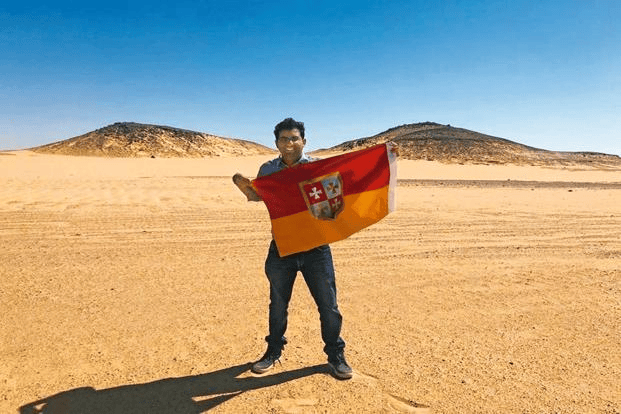
Then came Suyash Dixit. In 2017, Dixit posted something on Facebook that brought him near-instant internet fame:
“I, Suyash Dixit, first of my name and the protector of the realm, declare myself as the king of ‘Kingdom of Dixit’. I call myself King Suyash First from today. I declare this unclaimed land of Bir Tawil as my country from now to the eternity of time. I pledge to continue to work for the prosperity of my people of the country and this motherland. Following the early civilization ethics and rule, if you want to claim a land then you need to grow crops on it. I have added a seed and poured some water on it today. It is mine.” [sic]
After planting his flag, he went back home.
“The king is a coder: a bit nerdy, a bit goofy, easily amused, and with the hint of a stutter when he gets excited.” According to this interviewer in The man who would be king
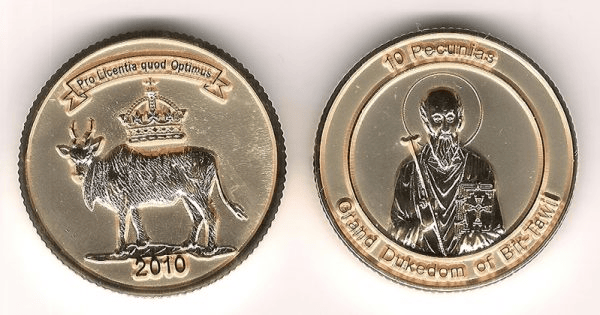
The Dukedom of Bir-Tawil has minted coins you can buy.
By Maps-For-Free.com –
What is happening on the ground?
Meet Garett Johnson of Young Pioneer Tours. He has been there.
Young Pioneer Tours specializes in taking you to North Korea and other worldwide “destinations your mother would rather you stay away from” at budget prices.
Johnson writes:
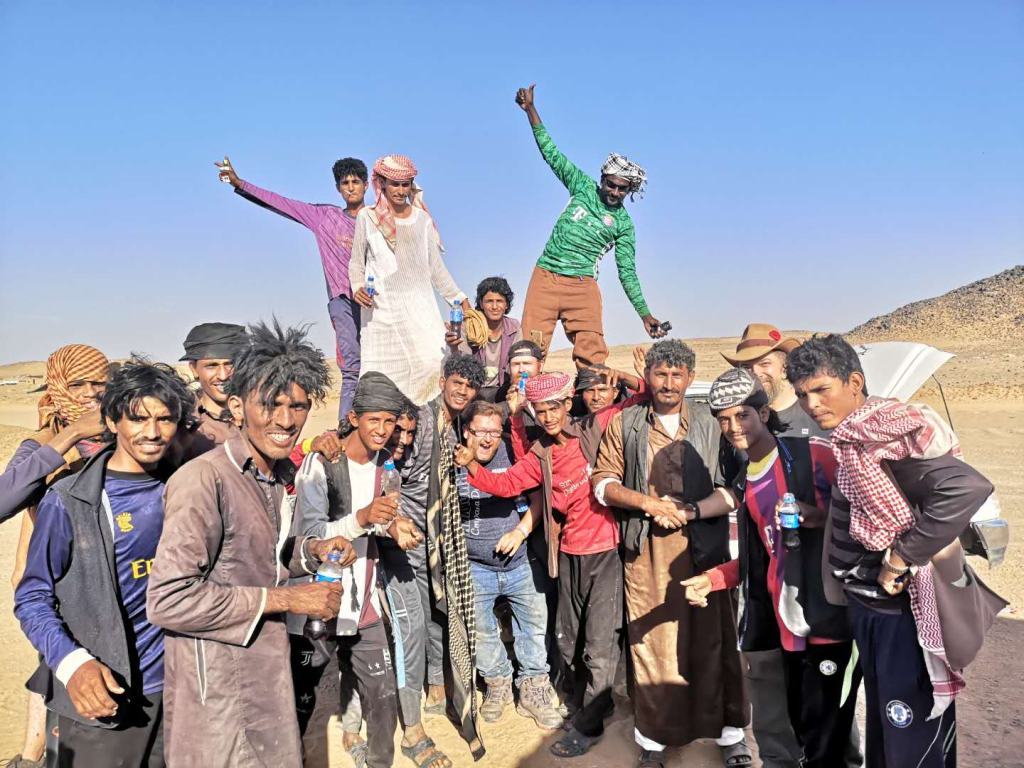
“Many people claim that Bir Tawil is uninhabited, but frankly, it is anything but. The Ababda tribe considers it their native homeland and are fiercely protective of it. And they are extremely far from receptive to people claiming their land.”
This supposedly “empty” land has numerous small settlements around gold mines, as well as a town of several thousand people.”Many people claim that Bir Tawil is uninhabited, but frankly, it is anything but. The Ababda tribe considers it their native homeland and are fiercely protective of it. And they are extremely far from receptive to people claiming their land.“
This “empty” land has many small settlements around gold mines and a town of a few thousand.