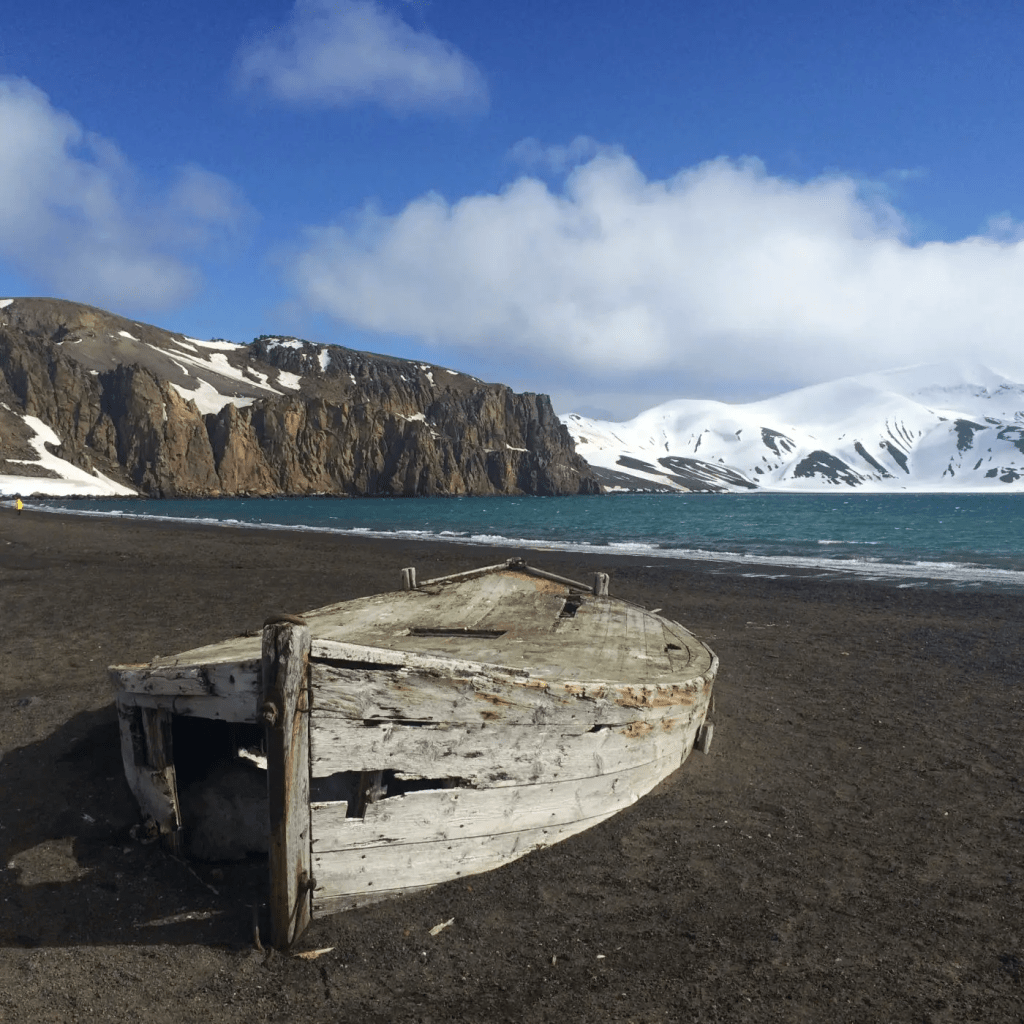
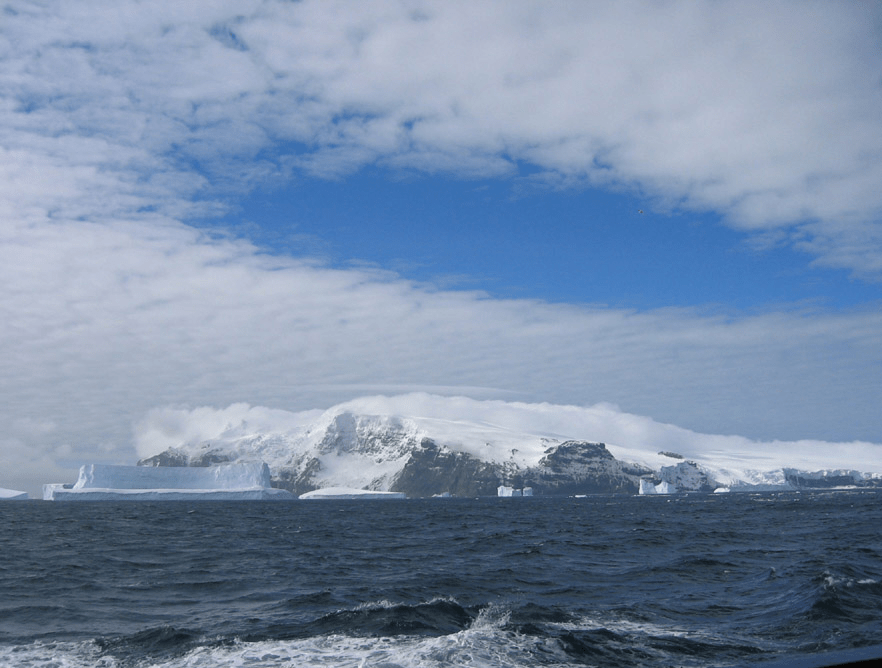
1-The Island
1739: First sighted by Frenchman Jean-Baptiste Charles Bouvet de Lozier
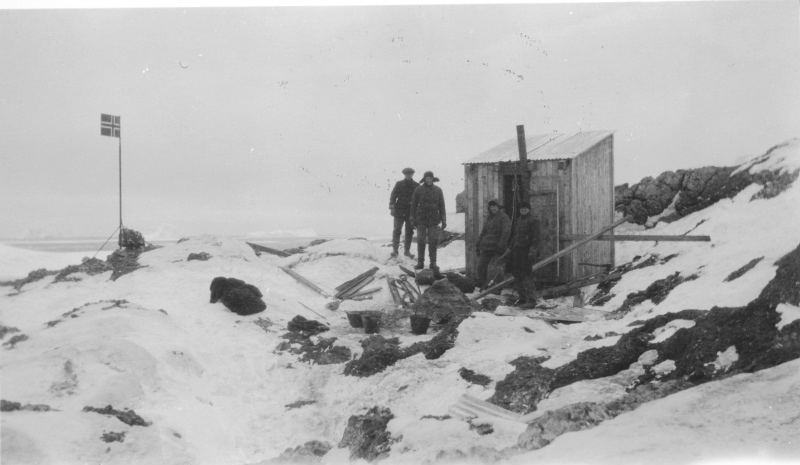
1927: Norway invades and annexes Bouvet, then gives it its official name: Bouvetøya.
Tip of a volcano. 93% covered in ice. By certain criteria the most remote place on Earth. Uninhabitable.
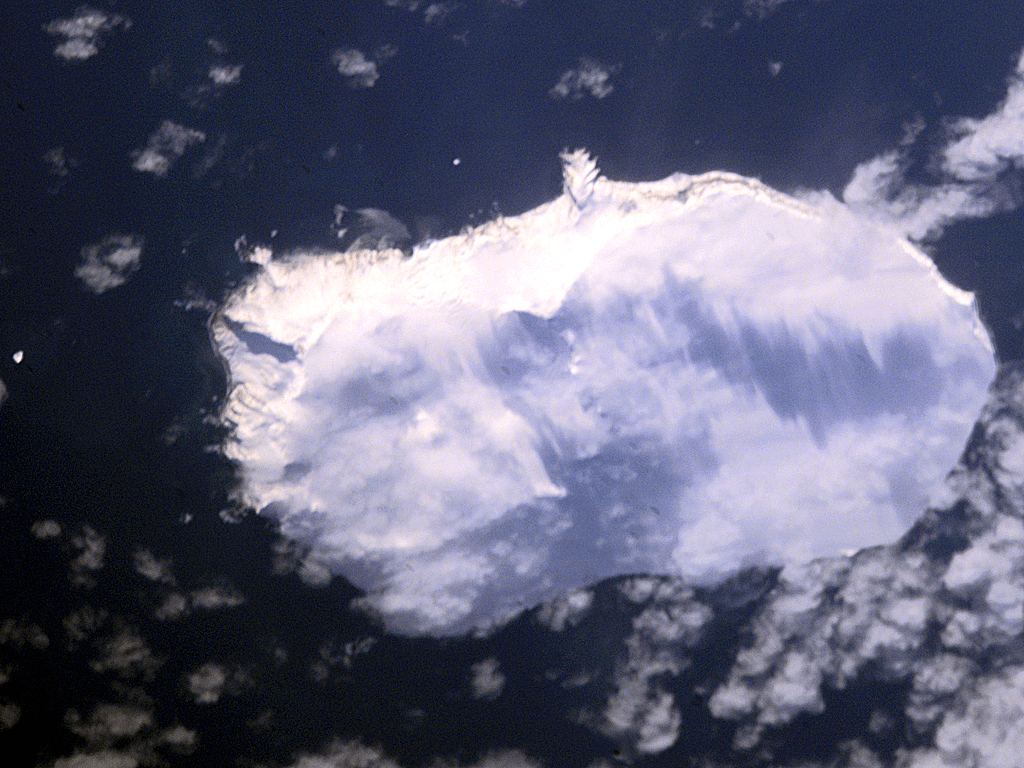

Wonderful footage filmed flying around Bouvet
2-The Lifeboat
In 1958, an expedition saw no boat. In 1964, a crew of researchers who stayed only one hour on Bouvet, spotted a lifeboat, a pair of oars, a water tank in copper and a wood barrel, stranded on the only beach. This was very surprising. Bouvet is far, very far from any shipping lanes, only a rare whale ship may pass somewhat close, once in a while. One of them might have sunk and the lifeboat drifted slowly to the beach. But then the tank and the barrel couldn’t have drifted with it in those turbulent seas, and they were found higher up on the beach, on dry ground. There’s no record of any ship in trouble in the area.
The lifeboat must have landed on Bouvet, So, did it really happen? A (perhaps illegal) whaling ship gets in trouble in the ferocious Southern Ocean, a lifeboat is launched and miraculously lands on an island. Whoever was on that lifeboat slowly came to the realization they had landed on an ice desert. I confess I spent some time pondering their fate and their anguish.
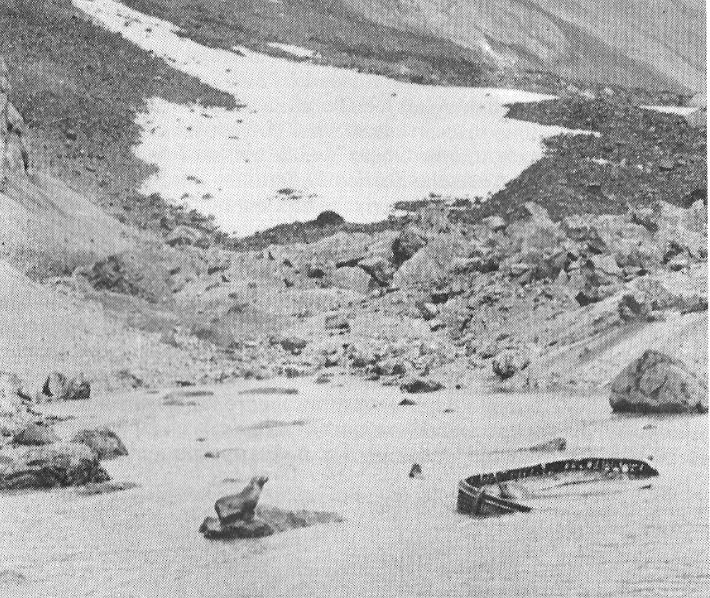
Another possibility is that a spurt of volcanic activity in 1958 had melted some ice and released the canoe from its ice prison where it had been frozen for centuries (the 15th century being the most likely). I thought this was a reasonable explanation, but unfortunately the ice would certainly have crushed a canoe to smithereens in little time.
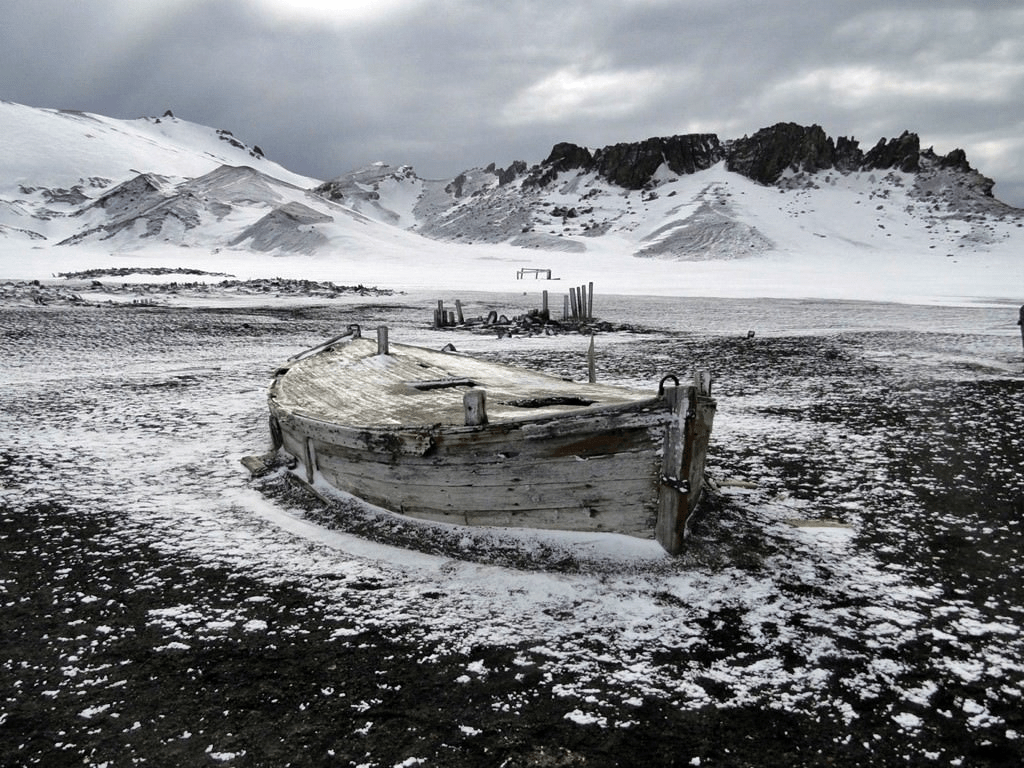
Finally, a researcher found in the Russian journal Transactions of the Oceanographical Institute, a note about the journey of Slava-9, a reconnaissance vessel attached to the whaling fleet who had landed on Bouvet a lifeboat and a crew. The weather turned and the crew was picked up by helicopter, leaving the lifeboat behind.
PS: Although I could not find confirmation, I believe the lifeboat in the color pictures has been placed there recently (for tourists??) as the original 1964 boat was reported as having drifted back into the Antarctic Ocean with its oars and its barrels.
Map by By Ian Macky, PAT Atlas – https://ian.macky.net/pat/map/bv/bv_blu.gif, Public Domain, https://commons.wikimedia.org/w/index.php?curid=121238544
Cape Circumcision By Bjarne Aagaard (1873–1956) – http://polarhistorie.no/ekspedisjoner/Norvegia%20III / NP012003.jpg Norsk Polarinstitutt, Public Domain, https://commons.wikimedia.org/w/index.php?curid=18593666
 THE INACTIVIST
