A Tern fishing from the air is a joyous sight. It hovers briefly, laughs and dives for small fish or plucks them from the surface. In a river or on a lake, they don’t seem to ever miss. They are used to fish in the roughest seas: The Polar oceans.
A light, buoyant and acrobatic flight carries the Arctic Tern from Pole to Pole, from its Arctic breeding grounds to the Antarctic and back. Each year.
“The shortest distance between the two Poles is 19,000 km (12,000 mi). The long journey ensures that this bird sees two summers per year and more daylight than any other creature on the planet. travel some 2.4 million km (1.5 million mi) during its lifetime, the equivalent of a roundtrip from Earth to the Moon more than three times“.
Cramp, S., ed. (1985). Birds of the Western Palearctic
.
The bipolar Terns actually take meandering courses rather than follow a straight path. Birds tagged in Greenland and Iceland have covered 80,600 km (50,000 mi) in a year.
There are about two million Sterna paradisaea (tern of paradise). They spend most of their life far offshore and are therefore hard to see outside their breeding grounds.
They mate for life and are excellent parents, spending time and energy to raise only a few young. In one study, 80% of the chicks survived to migration. They can live up to 30 years.
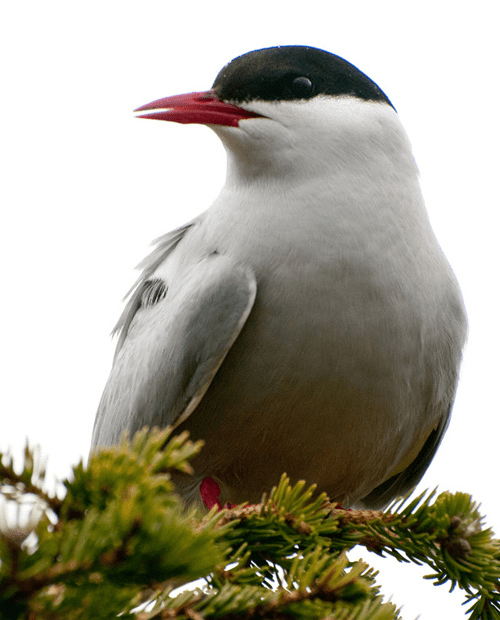
By National Park Service, Alaska Region – Arctic tern in Lake Clark National Park Domain, https://commons.wikimedia.org/
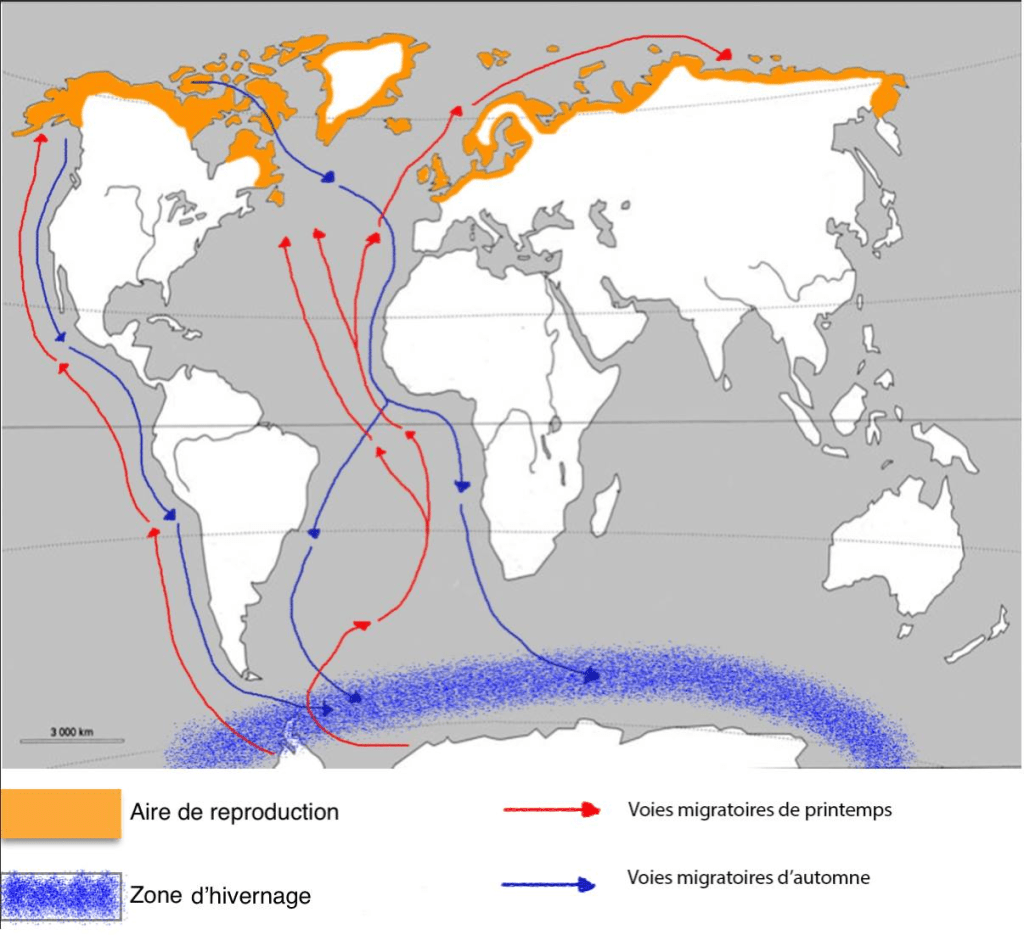
By Julie Buttin – Own work, CC BY-SA 4.0, https://commons.wikimedia.org/w/index.php?curid=52297160
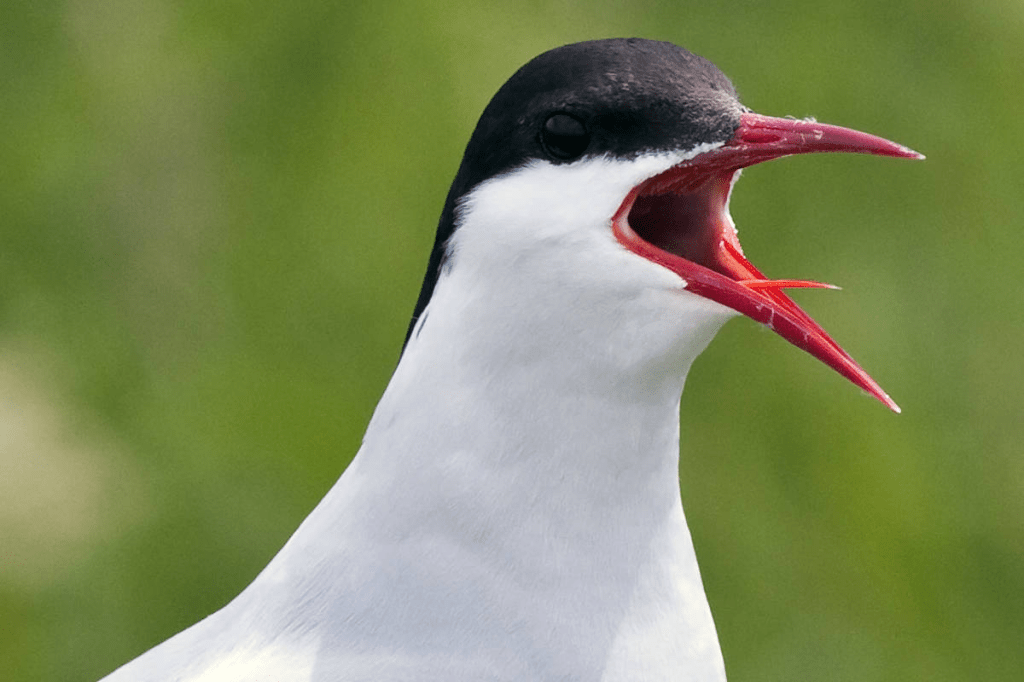
By U.S. Fish and Wildlife Service Headquarters – Arctic tern http://www.fws.gov/refuges/RefugeUpdate/SepOct_2013/seabirds.html, Public Domain, https://commons.wikimedia.org/w/index.php?curid=
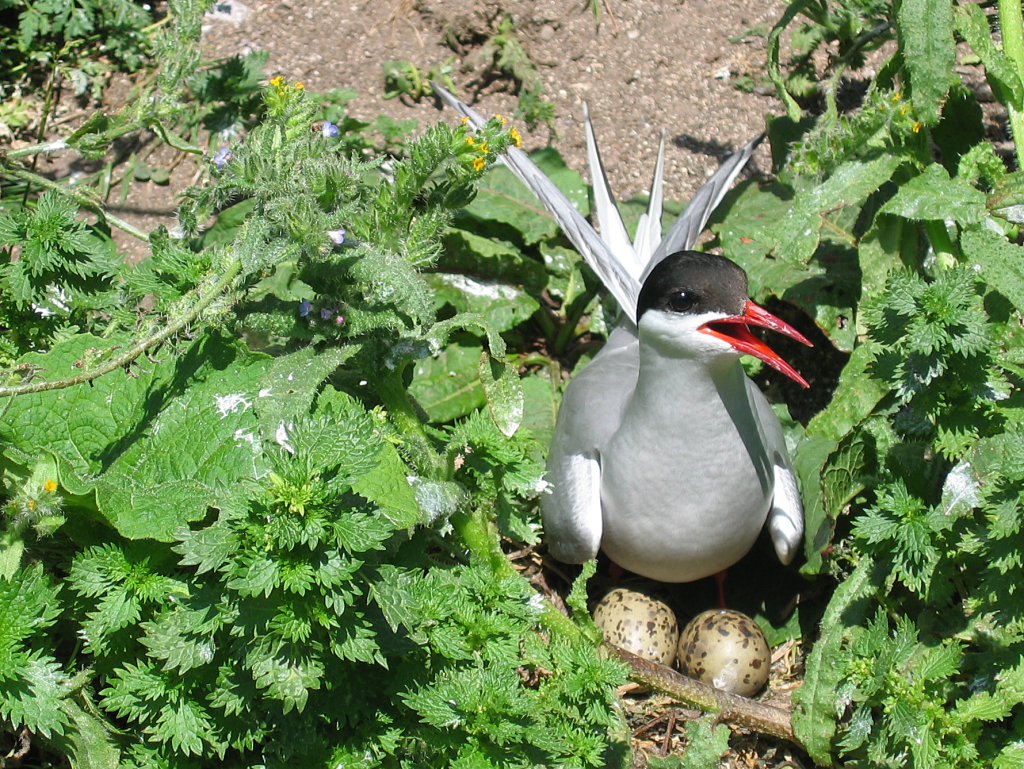
By Jamumiwa – Own work, CC BY-SA 4.0, https://commons.wikimedia.org/w/index.php?
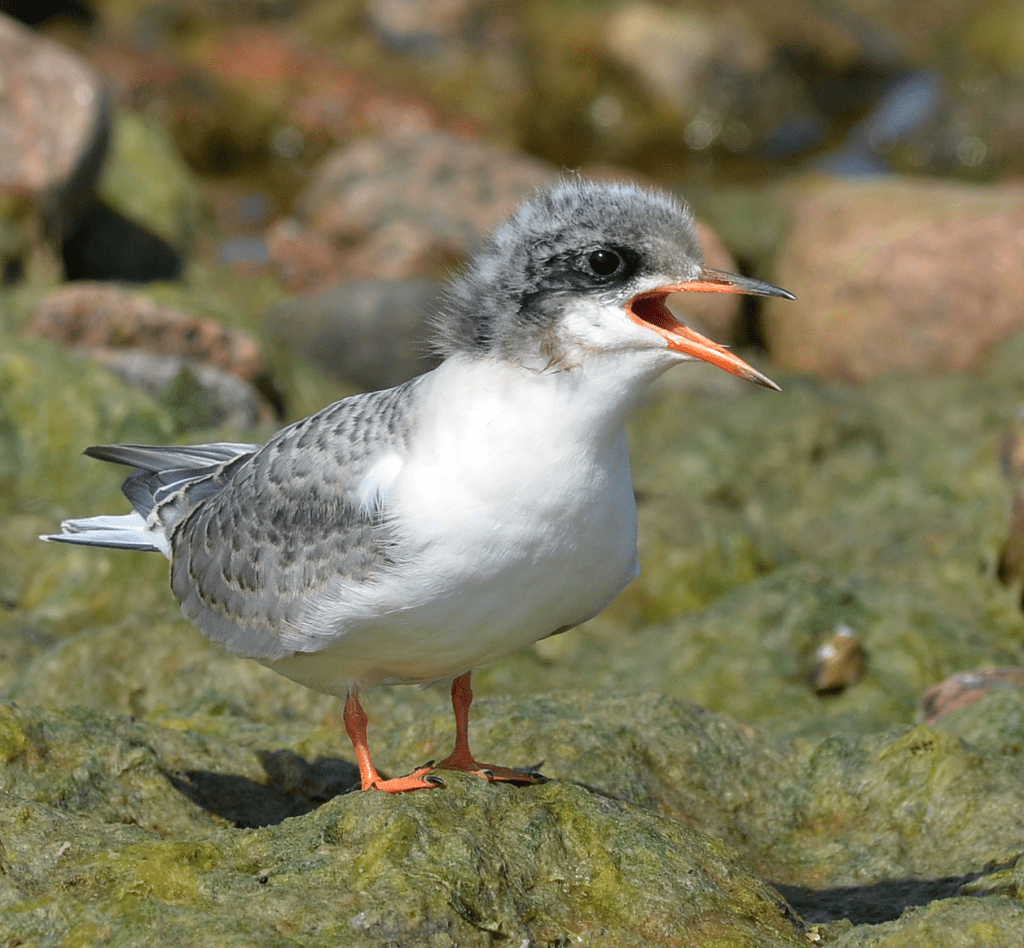
By Ekaterina Chernetsova (Papchinskaya) from Saint-Petersburg, Russia – Arctic tern, CC BY 2.0, https://commons.wikimedia.org/w/index
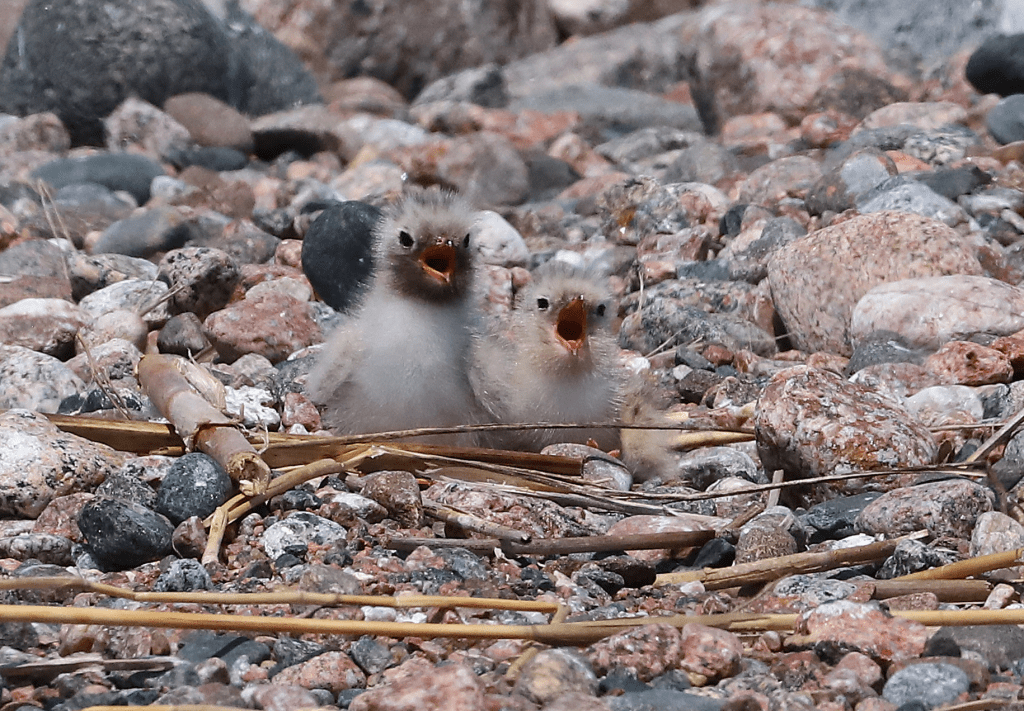
By Jaan Künnap – Own work, CC BY-SA 4.0, https://commons.wikimedia.org/w/index.php?c
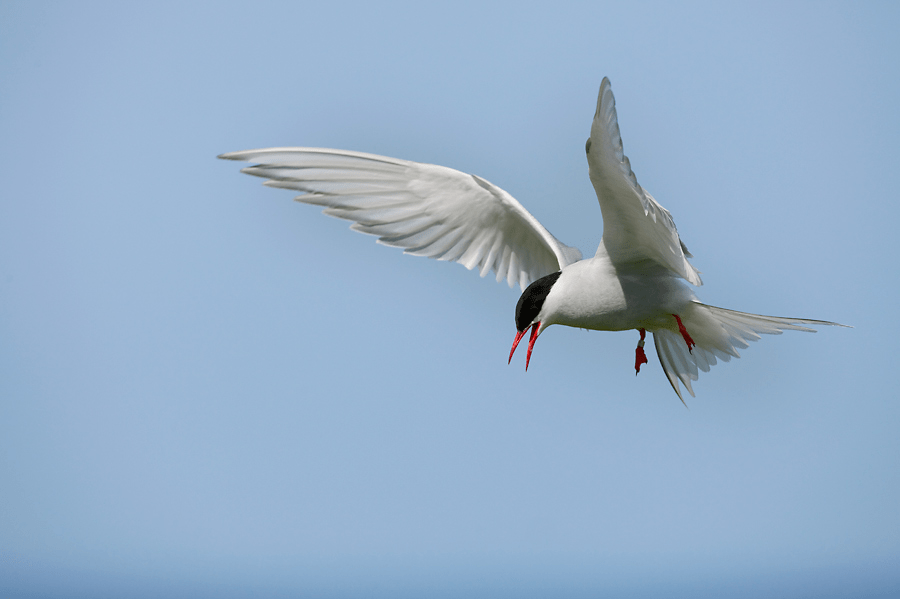
By Marek Szczepanek – Own work, CC BY-SA 4.0, https://commons.wikimedia.org/w/index.php?
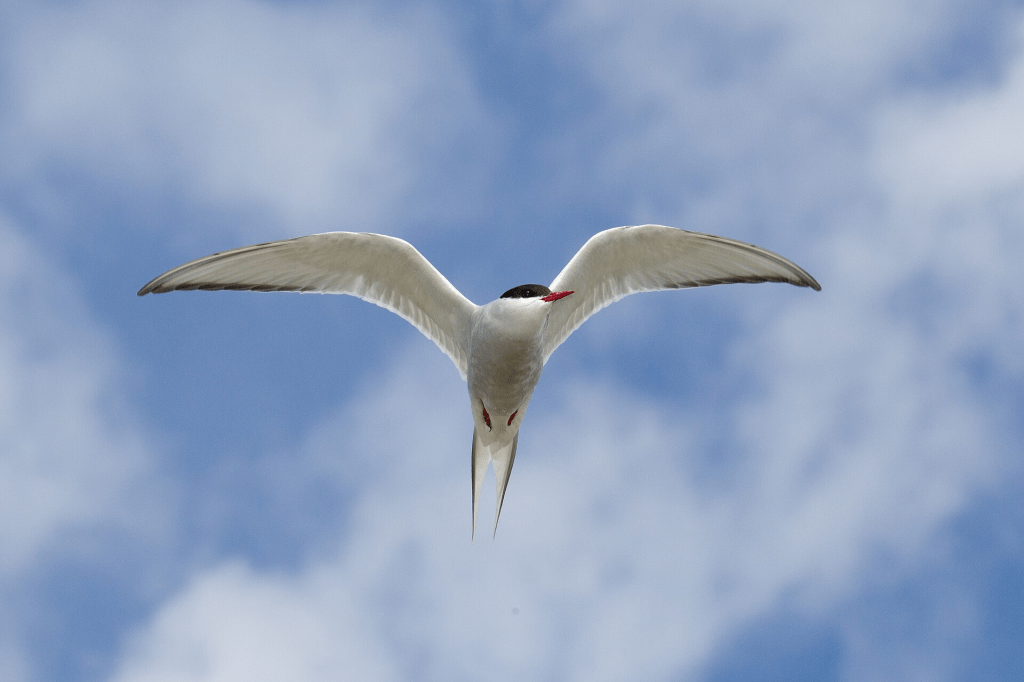
By Andreas Trepte – Own work, CC BY-SA 2.5, https://commons.wikimedia.org/w/index.php
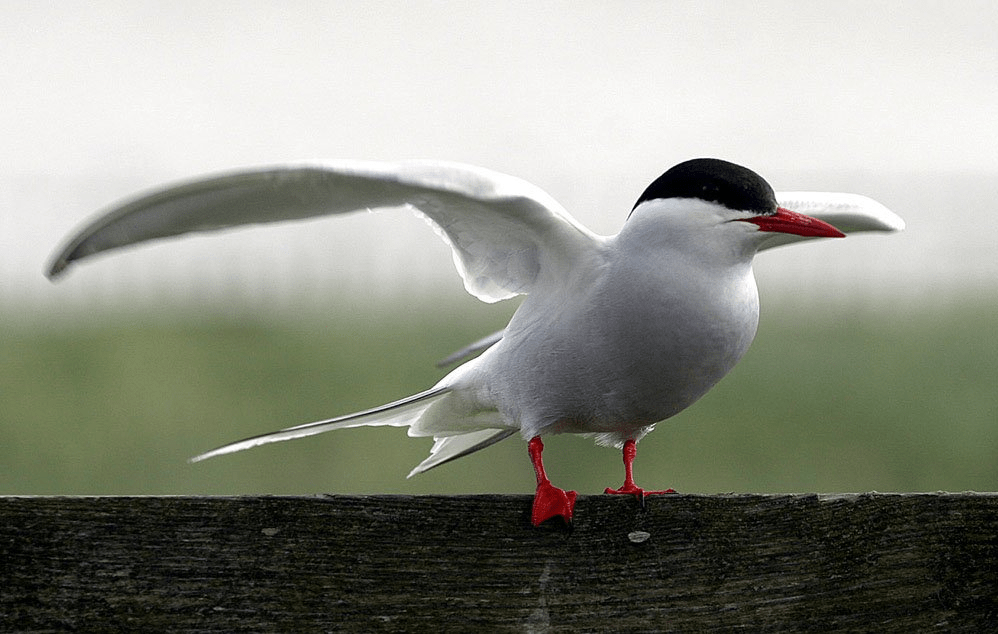
By Claudius Tesch – selbst fotografiert von Claudius Tesch, Public Domain, https://commons.wikimedia.org/w
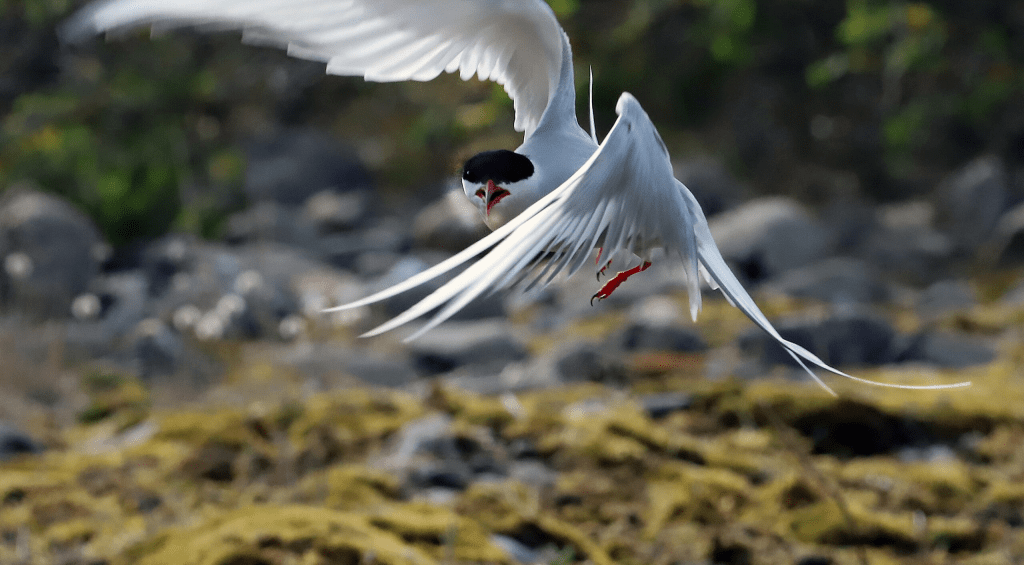
By Jaan Künnap – Own work, CC BY-SA 4.0, https://commons.wikimedia.org/w/index.php?
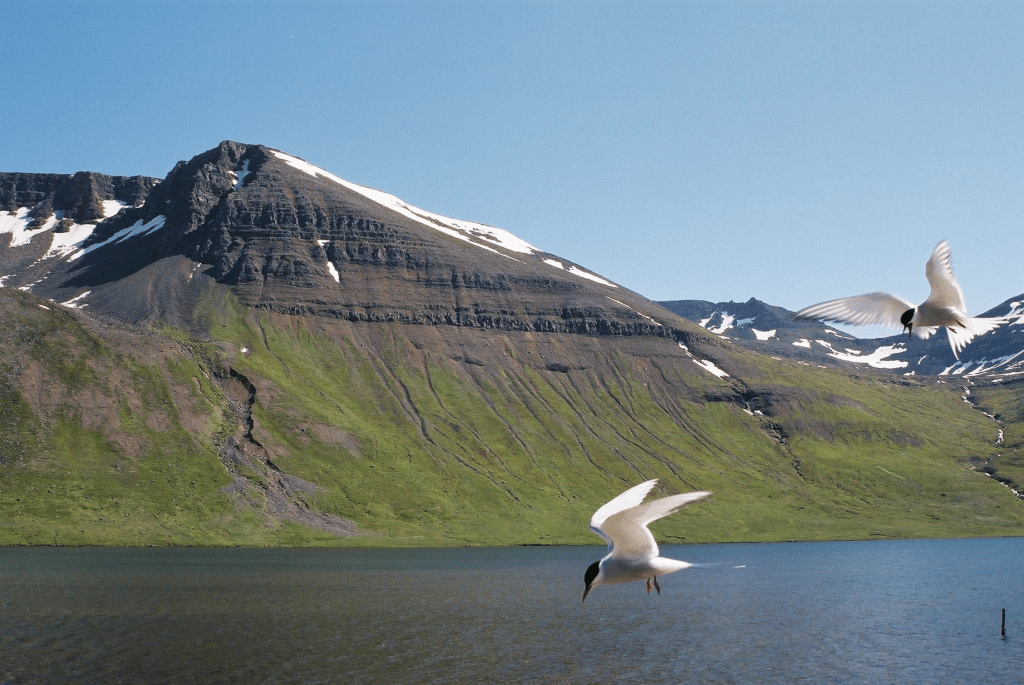
By Reykholt – Own work, CC BY-SA 4.0, https://commons.wikimedia.org/w/index.ph
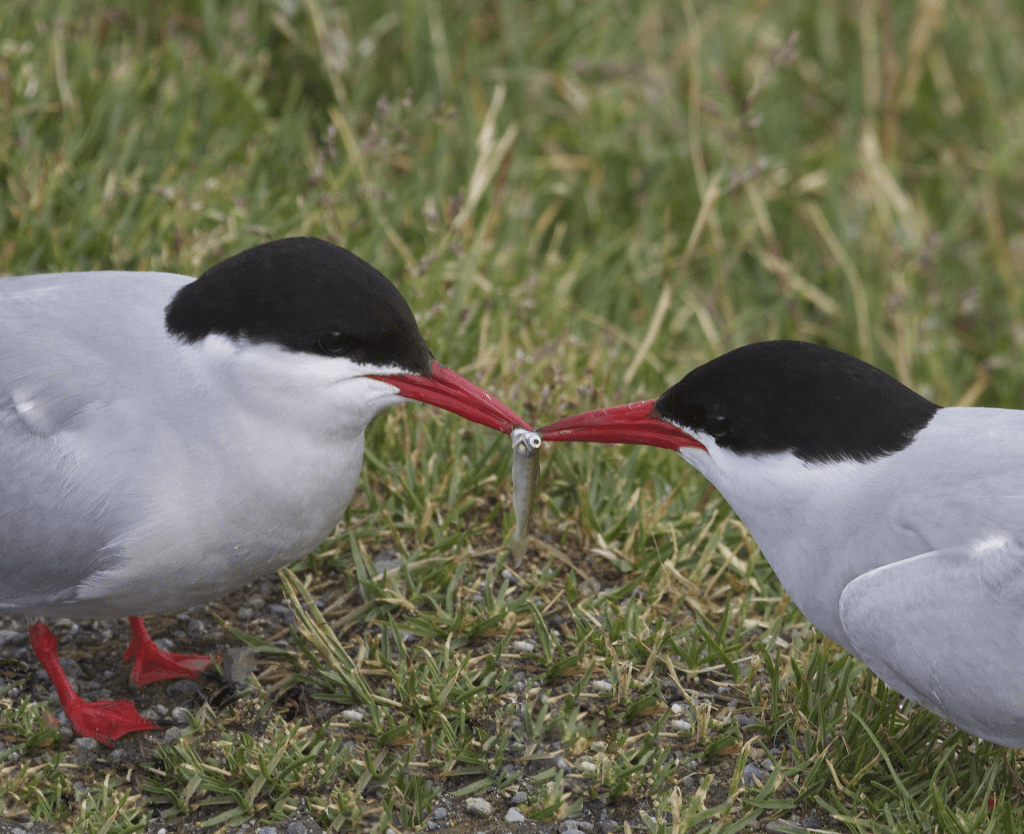
 THE INACTIVIST