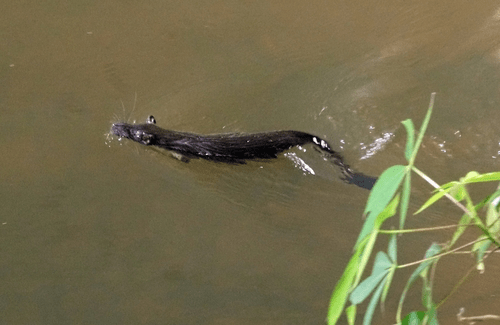
Not a shrew, even less an otter, it is a giant only compared to the two other species of this odd Family, the Otter Shrews. The Giant Otter Shrew (Potamogale velox) lives in freshwater habitats in Equatorial Central Africa. This small carnivore (6.40 cms, 25 in, with tail) makes his burrow in a riverbank, with a submarine entrance. Nocturnal, hard to photograph. they only survive in captivity in a week. Little is known of them.
Rare video images of Potamogale Velox:
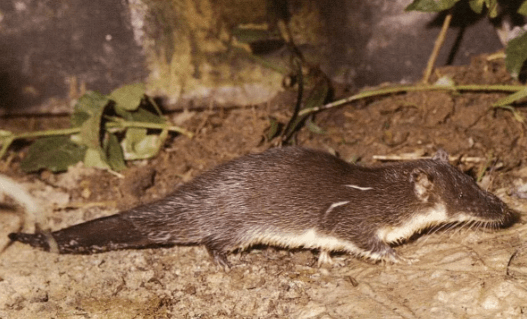
The Giant Otter Shrew Family, the Potamogalidae, also contains two species of Dwarf Otter Shrews (Genus Micropotamogale): The Nimba otter shrew (M. lamottei) lives in the Guinea Highlands of West Africa. And the Ruwenzori Otter Shrew (M. ruwenzorii) lives in the East Congo and Rwanda. They are even harder to find and photograph, The Nimba otter shrew weighs only about 125 g (4.4 oz) and has a body length of 15–22 cm (5.9–8.7 in), a third of its body size being its tail.

By Folder-Ubs6u!d – Own work, CC BY-SA 4.0, https://commons.wikimedia.org/w/index.php?
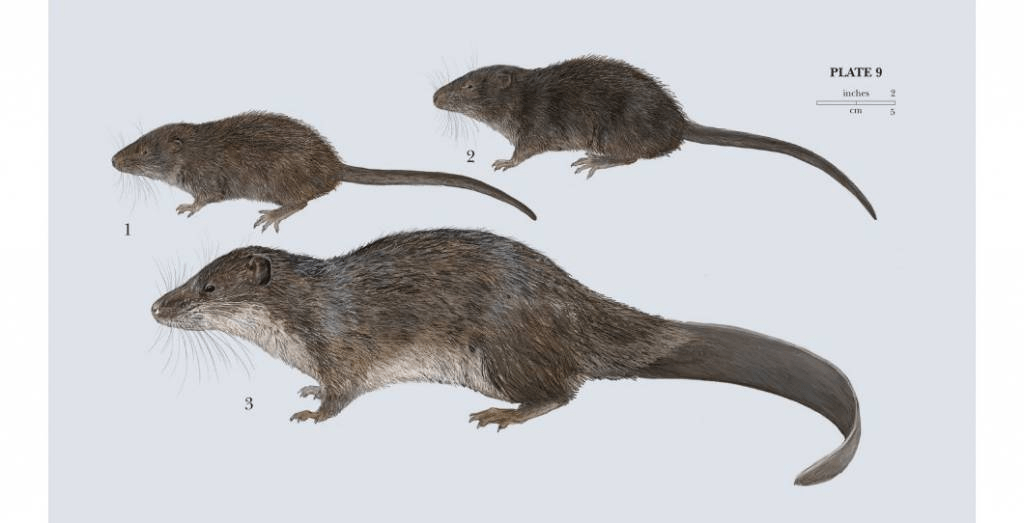
The clade Afrosoricida contains the Golden Moles of Southern Africa, the Otter Shrews of equatorial Africa and the Tenrecs of Madagascar. Before DNA revealed their parentage, they used to be thought to be part of the order Insectivora. Therefore, the Afrosoricida species bear names like shrew, hedgehog, mole. They are more closely related to elephants than to rodents, moles, or otters
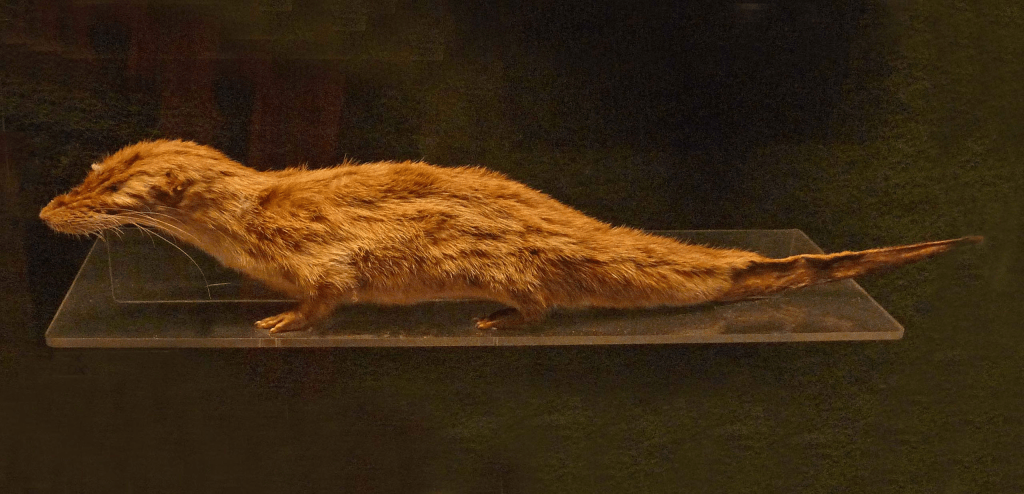
By Ji-Elle – Own work, CC BY-SA 3.0, https://commons.wikimedia.org/w/index.php?curid=15114544
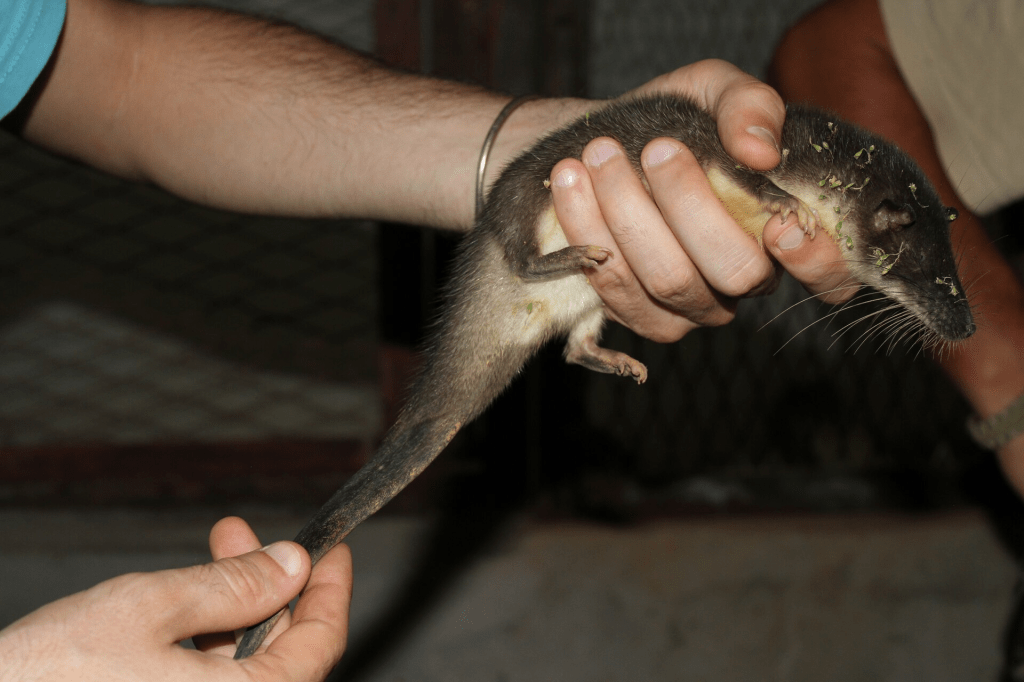
By Julien Renoult – https://www.inaturalist.org/photos/340101862, CC BY 4.0, https://commons.wikimedia.org/w/index.php?curid=156340527
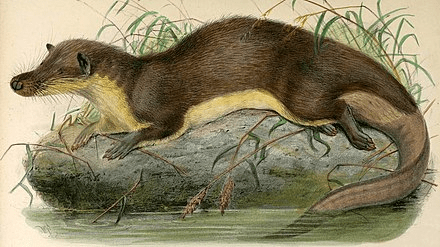
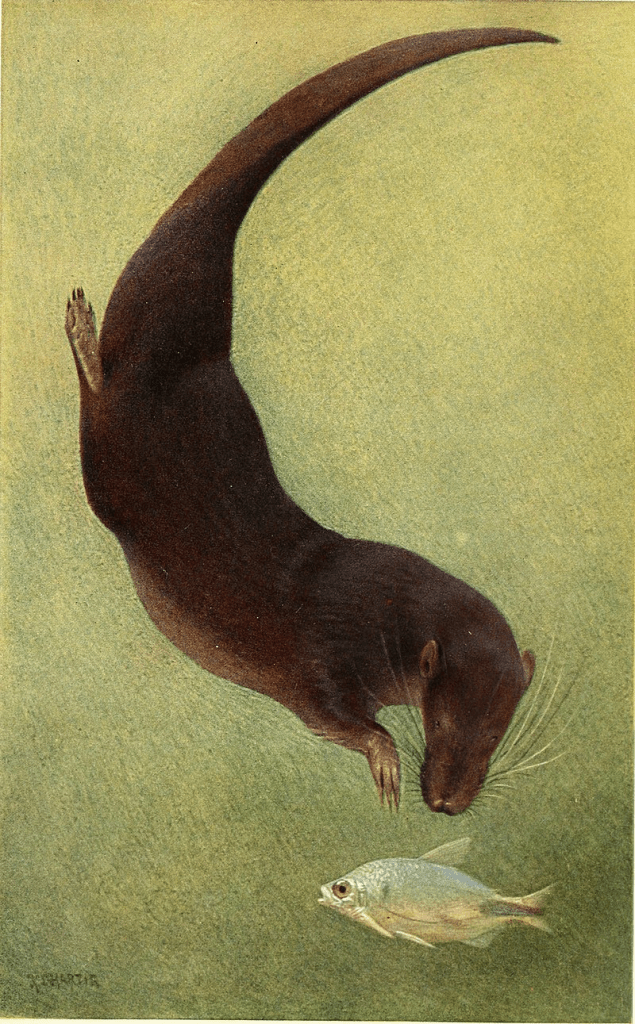
By Alfred Brehm – https://www.flickr.com/photos/internetarchivebookimages/20225941420/Source book page: https://archive.org/stream/brehmstierlebena10breh/#page/n346/mode/1up,

 THE INACTIVIST