Brazilian historians find traces of burgeoning Samba rhythms as far back as 1870. The term “samba” originally means a dance party in the idiom of Bahia, in North Brazil. The region of Bahia has an African majority. The rhythms of Samba clearly come from Africa (Bantu). A dance from Angola, the Umbigada that consists of rubbing bellies together is called Semba.
In the wake of mass immigration from Bahia to Rio de Janero, the Praca Onze Neiborhood, nicknamed “Pequena Africa” (Little Africa), becomes the birthplace of Samba in the beginning of the XXth century. In 1916, Donga published the sheet music for “Pele Telefono” as a “Carnival Samba” (the first time of recording of which is at the end of the post) and the genre was officially born.
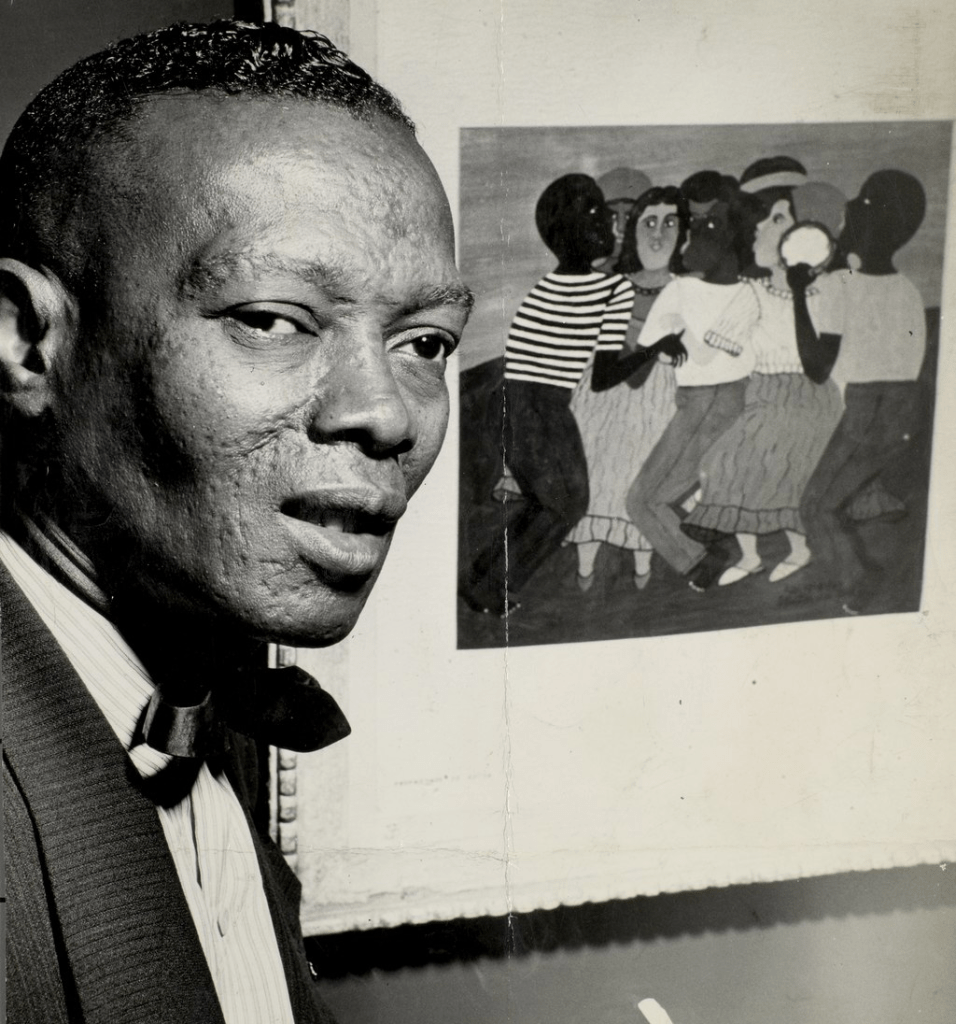
One of the greats of those very early days is Heitor dos Prazeres (1898 -1966) who wrote 200 songs, starting at age 12. Send to prison at 13. First success as a composer at 25. Became a painter later in life.
Flutist and composer Alfredo da Rocha Vianna Filho, also known as Pizinguim, Bexiguinha and Pixinguinha (1897-1973).
Patricio Teixeira plays Pixinguinha
José Barbosa da Silva, AKA Sinhô (1888 1930), party animal and one of the earliest sambistas.
Compositions of Sinho done in 1952 by Raízes da MPB Vol. 25 – Sinhô
João Machado Guedes also known as João da Baiana (1887 – 1974)
One last one, from 1922, Grupo do Moringa, clarinet, cavaquinho, guitar and trombone.
Pele Telefono by Baiano
More posts of the Samba at the inactivist on Samba
More posts on the music of Brazil at MPB at the inactivist
 THE INACTIVIST